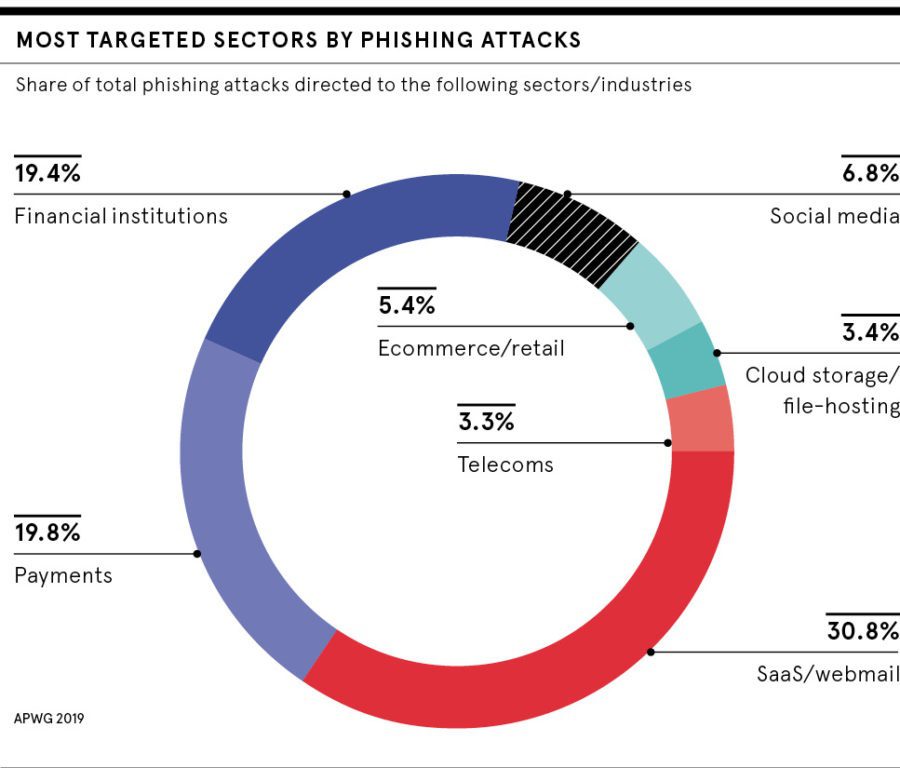
Opportunistic cyber criminals are exploiting the current situation with the coronavirus outbreak by exploiting people’s fears and attacking vulnerabilities in home-working set-ups.
Per a recent report from the National Fraud Intelligence Bureau, UK victims lost over £800,000 to coronavirus scams in February alone.
Make sure your team are:
- Using work devices at all times whilst working remotely rather than logging in via unsecured home devices. Work laptops or computers should be up-to-date with the latest anti-virus software protection; and
- Staying alert to COVID-19 scams which may include telephone fraud and phishing emails.
Remember these tips from the National Cyber Security Centre for spotting phishing emails:
- Many phishing emails have poor grammar, punctuation and spelling.
- Is the design and overall quality what you’d expect from the organisation the email is supposed to come from?
- Is it addressed to you by name, or does it refer to ‘valued customer’, or ‘friend’, or ‘colleague’? This can be a sign that the sender does not actually know you, and that it is part of a phishing scam.
- Does the email contain a veiled threat that asks you to act urgently? Be suspicious of words like ‘send these details within 24 hours’ or ‘you have been a victim of crime, click here immediately’.
- Look at the sender’s name. Does it sound legitimate, or is it trying to mimic someone you know?
- If it sounds too good to be true, it probably is. It’s most unlikely that someone will want to give you money, or give you access to a secret part of the Internet.
- Your bank, or any other official source, should never ask you to supply personal information from an email.